Most coffee shops pour their last drink before dinner, which means most coffee shop dining rooms sit dark through the hours when people are actually free. There is real demand on the other side of that closing time: students with evening study sessions, remote workers on shifted schedules, friends who want to meet somewhere that is not a bar, couples looking for dessert after dinner. A nighttime coffee shop concept can capture all of it, but only if you treat the evening as its own business rather than a longer version of the morning.
Why simply staying open later fails
The tempting version of evening hours is the cheap one: same menu, same lighting, same silence on social media, just a later close. It almost always loses money. Morning coffee is a habit that people buy on the way to something else. An evening visit is a choice, an occasion someone picks over the bar, the ice cream place, and their own couch. If the room at 8 p.m. looks exactly like the room at 8 a.m., minus the energy and the crowd, you have given no one a reason to choose it. The shops that make evenings work change the offer, the room, and the message, and they commit to one concept instead of vaguely staying open.
Four late night cafe concepts that work
You do not need to invent something exotic. These four models fit almost any existing shop, alone or blended.
The study hall
Students and remote workers want what libraries ration: long-stay seating, outlets everywhere, reliable wifi, and permission to camp. Lean in with a laptop-friendly evening policy, a steady quiet playlist, and a menu built for refueling, like drip refills, pots of tea, and simple snacks. You are selling a seat and focus as much as a drink, so keep the pace calm, make ordering a second round effortless, and say clearly on your site and door that evening studiers are welcome. This crowd is loyal to a fault once it adopts you.
The coffee bar
Treat espresso the way a cocktail bar treats spirits. Affogato, espresso tonics, spiced and dessert-style drinks, small tasting flights, served in real glassware under dimmed lights. This is a night-out format for people who are not drinking alcohol, and it lets you charge evening-occasion prices for skills your bar already has. If local licensing allows and it fits your brand, a short beer and wine list widens the net, but the concept stands entirely on its own without it.
The event room
Open mic nights, trivia, board games, book clubs, acoustic sets. A recurring calendar beats scattered one-offs, because Thursday trivia becomes a habit in a way a single event never will. You do not have to program everything yourself: local musicians, game groups, and book clubs are actively looking for rooms, and the same local partnerships that grow a coffee shop by day can fill your calendar at night while their members fill your seats.
The dessert destination
If you are near restaurants, a theater, or a walkable strip, you can be where people land after dinner. A focused dessert case, coffee and pastry pairings, and a warm room visible from the sidewalk do the selling for you. This concept lives or dies on being seen at night, so light the window like a stage and keep the case full through the last hour, not just the first.
Build a menu for after five
Evening customers drink differently. Many want the ritual without the caffeine, so make decaf a point of pride rather than an apology, offer half-caf without the eye roll, and give tea, chai, hot chocolate, and something sparkling real space on the menu. Add a short savory list, a couple of toasts or a cheese plate, so the 7 p.m. guest who skipped dinner does not have to leave to eat. Keep the evening menu smaller than the morning one. A tight list that two people can execute calmly beats a full menu that buries the night crew.
Make the room feel different after dark
The same four walls have to change character at dusk. Drop the lights well below morning levels, switch to lamps and candles where code allows, and move the playlist from wake-up to wind-down. Small service touches, like drinks on trays and water on the table, signal that lingering is welcome tonight in a way it cannot be during the morning rush. If your space already leans warm, you are most of the way there, and the moves in building a cozy vibe in a small space matter double after sunset.
Do the math before you commit
Evening hours have friendlier economics than they first appear, because the rent is already paid; the incremental costs are mostly labor and utilities. But those costs are real, so test instead of pledging. Open Thursday through Saturday evenings for a defined trial period, staff with two people for safety and sanity, and set a specific sales target and a review date before night one. Track evening sales as their own daypart in the point of sale so results are not blurred into the daily total, and count what the evening feeds the morning too, because new night guests often become day regulars. Then decide like an operator: scale it, adjust it, or end it on schedule without embarrassment.
Tell people you exist after dark
The most common way evening hours die is that nobody knows about them. Your regulars leave before noon and never see the candlelit version of the shop. Fix the information problem first: your Google Business Profile hours must be exact, because coffee shops open now searches are how night customers find you, and wrong hours earn the one-star review that scares off the rest. That accuracy is the unglamorous heart of local SEO for independent restaurants and cafes.
Then market the evening like a launch. Photograph the room at night, post the event calendar weekly, and email the customers you already have, since they already like you and simply do not know you are open. A plain announcement sent through restaurant email marketing, the kind Dinevate runs for independents, puts your night hours in front of the exact people most likely to show up in week one. Outside, keep the sign lit and the window glowing, because a dark storefront says closed no matter what the door decal claims.
Evening coffee is not a gimmick. It is an underserved daypart sitting inside a building you already pay for every month. Pick the concept that matches your neighborhood, give it a real trial with its own menu and marketing, and measure it by its own numbers. Within a couple of months you will know whether the night belongs on your schedule.
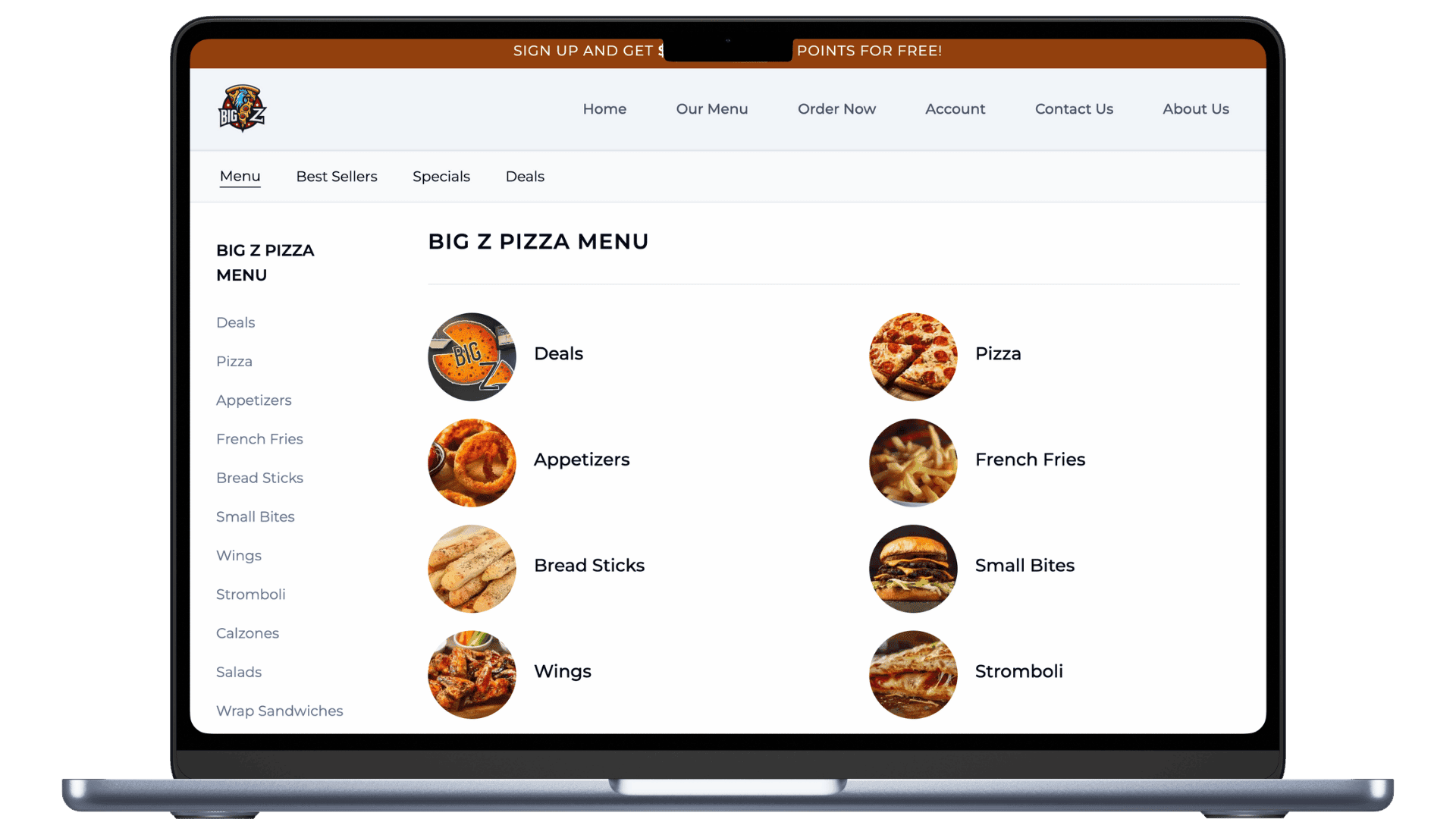
Modern online ordering system that makes it easy for customers to order from your restaurant
Frequently Asked Questions
Why do most coffee shops close in the late afternoon?+
Because their sales concentrate in the morning, and staffing a slow room costs more than it earns. Closing early is rational for a commuter-driven shop. Evening hours only make sense when they come with their own concept, menu, and marketing rather than as a simple extension of the day.
What hours should a late night coffee shop keep?+
Most evening concepts run until 9 to 11 p.m., with college towns and dense urban strips supporting later closes. Start with a Thursday through Saturday trial rather than seven nights at once. Consistency matters more than length; an open-until-10 promise you keep beats midnight hours you quietly abandon.
What do customers order at a coffee shop at night?+
Less straight espresso, more decaf and half-caf drinks, tea, chai, hot chocolate, and dessert-style drinks like affogato. Food skews toward pastries, desserts, and light savory plates. A good evening menu is shorter than the daytime one and built so a two-person crew can execute it calmly.
How do people find coffee shops open late near them?+
Overwhelmingly through Google and Maps open-now searches, which read directly from your listed hours. If your hours are wrong or missing for the evening, you are invisible at the exact moment someone is looking. Accurate hours, nighttime photos, and recent reviews are most of the game.