A neighborhood coffee shop rarely has a real ad budget, and it rarely needs one. The fastest way to reach new customers is through the businesses and institutions that already have their attention: the office upstairs, the gym around the corner, the bookstore two doors down. A good local partnership borrows trust that no ad can buy, and it usually costs product and effort instead of cash.
Why partnerships beat ads for a local shop
Paid ads rent a stranger's attention for a moment. A coffee shop partnership earns an introduction from someone your future customer already trusts, and it targets with a precision no ad platform can match, because the gym around the corner is by definition full of people who live or work within walking distance of your door. Partnerships also compound. The office that starts with one meeting tray becomes a weekly standing order, then a holiday catering client, then two hundred employees who think of your shop as theirs. None of that comes from a boosted post. Partnerships are also durable in a way paid reach is not: an ad stops working the moment you stop paying, while a good partner keeps sending people your way for as long as the relationship stays warm.
Five key partners worth pursuing first
Offices and coworking spaces
Offices buy coffee in quantities individuals never will: meeting trays, box coffee for trainings, standing Friday orders, catering for events. Pitch the office manager rather than the executive, since the office manager owns the problem, and make ordering frictionless with online ordering so a busy admin can place the usual order in under a minute. A simple show-your-badge discount for employees turns the whole building into a pipeline of daily regulars.
Gyms, studios, and wellness businesses
A morning class that ends at 9:15 is a crowd of warm bodies deciding where to go next. A show-your-class-pass offer, a co-branded punch card, or a post-workout drink pairing gives instructors something easy to announce at the end of class. In return, stock the studio's flyers by your register and mention their beginner sessions to your regulars. The exchange costs both sides almost nothing and reads as neighborly rather than promotional.
Bakeries and local food makers
If you do not bake in-house, buying from a local bakery instead of a frozen commissary gives you a better case and a built-in audience, because their fans follow the pastries to your counter. Name the bakery on your case cards; the credit costs nothing and signals quality. The same logic works for local roasters, jam makers, and chocolatiers on a small retail shelf, and merchandising those goods well is exactly what good display case technique is for. Wholesale relationships also smooth your costs, since you are trading retail-level markups for reliable volume in both directions.
Retail neighbors and bookstores
Businesses that share your sidewalk already share your customers. Bounce-back offers work in both directions: their receipt earns a discount on a drink, your cup sleeve earns one at their register. Co-hosted events, like a poetry night with the bookstore or a build-a-bouquet morning with the florist, fill slow hours and put each audience in the other's room. Even a monthly window swap, where you display their goods and they display your beans, refreshes both storefronts for free.
Schools, teams, and community organizations
Give-back nights, where part of an evening's sales goes to the PTA or the youth team, reliably fill a slow evening with families who have never been in before. Sponsoring a jersey or donating box coffee to the volunteer cleanup costs little and earns the kind of local goodwill that outlasts any promotion. Choose one or two organizations you genuinely care about rather than saying yes to everything, because a focused commitment reads as sincere and a scattered one reads as marketing.
The one-page partnership proposal
Most partnerships die of vagueness: two owners agree something sounds fun, and then nothing happens. A one-page proposal fixes that. Keep it to six parts:
- Who you are, in two sentences, with the one number that matters, such as how many customers walk through your door in a typical week.
- The idea, in plain language: what you are proposing to do together.
- What you will provide: product, space, staffing, promotion to your audience.
- What you are asking from them, stated just as concretely.
- The timeframe: a thirty-day pilot with a named end date, so nobody feels trapped.
- How you will both know it worked: redemptions, signups, or sales on event nights.
Bring samples when you pitch, make the first ask small, and put your cell number on the page. Small-business deals happen owner to owner, and the coffee you hand over during the conversation is the best cover letter you have.
Make every partnership measurable
Decide before launch what success means, then instrument it simply. Give each partner a unique code or card so redemptions are countable. Train the register to ask first-timers what brought them in. Most important, point every partner offer at a signup, your loyalty program or your email list, so a one-time promotion becomes an audience you can reach again. This is where email marketing for repeat guests quietly turns a gym cross-promo into a durable revenue channel. If loyalty, email, and ordering run through one platform such as Dinevate, tying a partner code to actual repeat visits takes minutes instead of spreadsheets.
Then review on the pilot's end date and decide like an operator: renew it, adjust it, or thank them warmly and end it.
The quiet SEO payoff
Partnerships also make you visible to people neither of you knows yet. Event listings, the bakery's stockists page, the gym's member-perks page, the school's sponsor list: each is a local website mentioning and often linking to yours, and those mentions are part of how search engines decide which cafe deserves the map results. It is one of the most natural forms of local SEO an independent shop can earn, and it accumulates as a side effect of work you are already doing.
Mistakes that sink partnerships
- Launching five at once. Run one pilot well, learn from it, then add the next.
- One-sided math. If the value flows only your way, the partner quietly stops promoting it within a month.
- Handshake terms. Write down the simple version. Memory is a poor contract, even between friends.
- Forgetting your own staff. If the register crew has never heard of the gym discount, the first redemption becomes an awkward argument at the counter.
- Letting dead deals linger. A faded partner poster ages your whole shop. End things cleanly and stay friends.
Start with the neighbor you already know, propose something small with an end date, measure it honestly, and build from there. A coffee shop woven into its block does not need to outspend anyone.
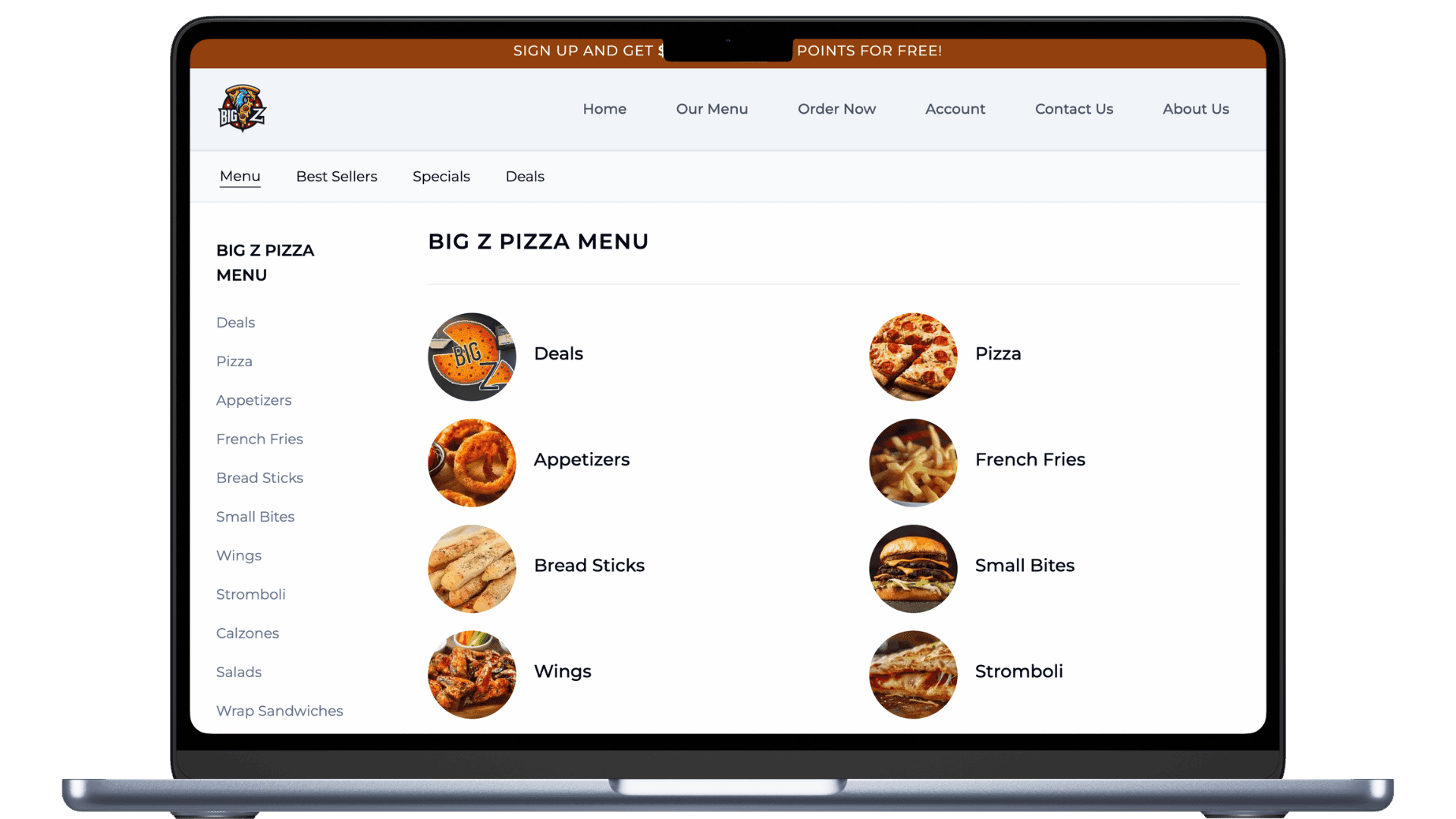
Modern online ordering system that makes it easy for customers to order from your restaurant
Frequently Asked Questions
What are the best partnerships for a small coffee shop?+
Start with businesses that share your customers and your block: offices and coworking spaces, gyms and studios, bakeries and local food makers, retail neighbors, and community organizations like schools and teams. The best first partner is usually the one where a relationship already exists. Shared audience matters more than the partner's size.
How do I write a partnership proposal for my cafe?+
Keep it to one page: who you are, the idea, what you will provide, what you are asking for, a thirty-day pilot with an end date, and how you will both measure success. Deliver it in person with samples and pitch the person who runs day-to-day operations. Small and concrete beats grand and vague.
Can a coffee shop use affiliate-style marketing locally?+
Yes, in a simple form: give each partner a unique code or card, track redemptions at the register, and reward the partner based on results with credit, product, or reciprocal promotion. It works because the incentive is tied to actual customers rather than exposure. Keep the tracking simple enough that staff use it every time.
How do I know if a partnership is actually working?+
Define the success metric before launch, such as redemptions, event-night sales, or new loyalty and email signups. Track it during a fixed pilot period, then review on the agreed date. Renew what worked, fix what almost worked, and politely end what did not.