A downtown coffee shop earns most of its day in a window of two to three hours, and the people in that window are the least patient customers you will serve. They have a train to catch or a meeting at nine, and if the line looks stalled they will walk past your door tomorrow. Getting through peak hours well is not about heroics behind the bar. Maintaining quality and speed during the rush is a system you build in the quiet hours, and this is what that system looks like.
Know your rush before you try to fix it
In most downtown locations the weekday rush tracks the office commute. Traffic builds from about 7 a.m., peaks somewhere between 7:30 and 9, and tapers by 9:30 or 10, with a smaller bump around lunch. Weekends behave differently: customers arrive later, spread across the late morning, and linger at tables instead of grabbing and going. A shop next to a courthouse, a hospital, or a campus will see its own variation on the pattern.
Do not guess at your version of it. Pull point-of-sale data in fifteen-minute increments for a few weeks and mark the true start, peak, and taper of your rush. Those numbers decide when your strongest barista clocks in, when the pastry case must be full, and when you can send the third person home. A shop that staffs for its average hour drowns in its busiest one, and a shop that staffs all day for the peak burns the margin the peak just earned.
Design the line to move
Long waits lose customers before they lose money, and most line problems are layout problems, not people problems.
- Let people decide before they reach the register. Post the menu where the fifth person in line can read it, not just the first. A sign for the featured drink and the pastry of the day shortens every ordering conversation by a few seconds, and those seconds are the whole game.
- Separate ordering from pickup. The worst bottleneck in a small shop is a crowd of waiting customers blocking the people trying to pay. Push the handoff point as far from the register as the room allows and label it clearly.
- Keep the flow one-directional. Door, line, register, pickup, exit. Nobody should have to swim upstream against the line while holding a hot drink.
- Give the line something to look at. A view into the pastry case or of the bar at work makes the wait feel shorter and sells more food while people stand there.
Staff by station, not by headcount
Three people working defined stations will outrun four people improvising. During peak, everyone owns one job:
- Register takes orders and payment, calls drinks clearly, and does nothing else. When the register person walks away to steam milk, the entire line stalls.
- Bar builds espresso drinks in ticket order and does not break off to fetch pastries or answer the phone.
- Support pulls pastries, brews and swaps drip, restocks cups, lids, and milk, and jumps onto the second grouphead when tickets stack up.
Batch everything that can be batched before the doors open. Brew drip on a schedule so it never runs dry mid-rush. Stage backup pitchers of the milks you burn through fastest, portion syrups, stack cups within reach of both stations. Write the opening prep down as a checklist, because a rush that starts fully stocked usually ends calm, and one that starts short never quite recovers.
Protect quality while you speed up
Speed that costs drink quality is a slow leak. Nothing looks wrong at the register, but the regulars quietly drift to whichever shop pulls a consistent shot. The fix is to make quality checks part of the routine instead of something you do when there happens to be time.
- Dial in the espresso before open and taste again mid-rush. Grind drifts as the room warms up and the beans age through the bag.
- Post recipes at the bar. Consistency between baristas matters more to customers than any one barista's flair.
- Trim the menu where it hurts speed most. If one blended drink ties up your bar for two minutes, pull it from the morning menu or price it as an afternoon special.
- Track remakes. Every remade drink is double the labor and a longer line, and a remake rate that climbs during the rush is the clearest sign you are past capacity.
Take orders out of the line
The cheapest way to shorten a line is to route orders around it. Order-ahead is standard commuter behavior now, and a downtown shop without it competes with one hand tied. An online ordering system built for independents sends tickets straight to the bar, so regulars can order from the train platform and walk past the line to a pickup shelf.
Treat that shelf with the same discipline as the register: its own labeled spot away from the paying line, cups faced so names are readable, and a hard habit of landing drinks there at the promised time. Order-ahead that runs late is worse than no order-ahead at all, because it trains your most loyal customers to distrust you.
The phone is the other line-killer. Every call answered at 8 a.m. pulls a person off station, usually for a question about hours or location. A voice assistant like Dinevate Voice answers those calls and takes phone orders while your whole team keeps making drinks.
Flatten the peak instead of just absorbing it
Some demand is movable. The commuter who needs coffee at 8:05 is not, but students, remote workers, and neighborhood regulars often default to the morning simply because you have given them no reason to come later.
An afternoon drink-and-pastry pairing at a friendly price, a happy hour after 2 p.m., or a loyalty program that rewards off-peak visits all shift traffic into hours when your labor is otherwise underused. And if the room sits dark after 4 p.m., it may be worth exploring nighttime coffee shop concepts that spread revenue across the whole day instead of stacking it all before ten.
Measure what the rush actually costs you
You cannot manage a rush you do not measure. Four numbers tell most of the story: time from order to handoff, items per ticket, remakes, and walk-aways, meaning the people who open the door, see the line, and leave. Have a manager count walk-aways for one week. The number is usually humbling, and it converts directly into the business case for order-ahead, another set of hands, or a layout change.
Small gains compound. Twenty seconds saved per drink across a hundred-ticket morning hands you more than half an hour of bar time back, every single day. Build the system in the quiet afternoon, drill it with the team before the week starts, and the morning begins to take care of itself.
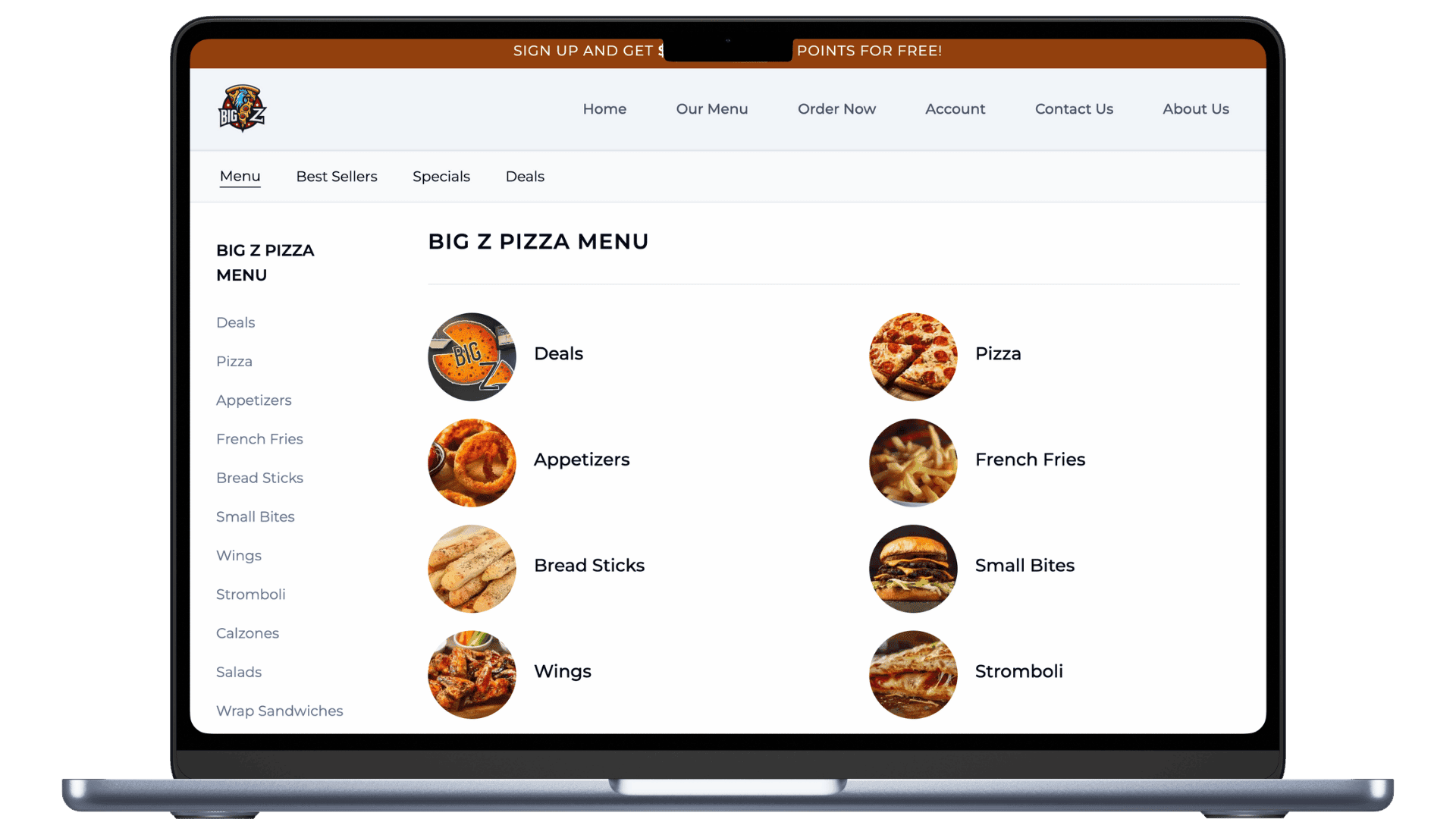
Modern online ordering system that makes it easy for customers to order from your restaurant
Frequently Asked Questions
What time do cafes usually close?+
Most independent coffee shops close between 3 and 6 p.m., because sales taper sharply after the morning and lunch peaks. Downtown shops that live on office traffic often close earliest, sometimes by early afternoon on weekends. Shops with a real evening concept, like dessert cafes or study-friendly spots, may run until 9 or 10 p.m.
When does the morning coffee rush start and end?+
In a typical downtown location the weekday rush builds from around 7 a.m., peaks between roughly 7:30 and 9, and settles by 9:30 or 10. Weekend traffic starts later and spreads across the late morning rather than spiking. Your point-of-sale data in fifteen-minute increments will show your shop's exact curve.
Is there usually a line, and how long do people wait?+
At peak, a line is normal and even a healthy sign, but a well-run shop keeps it moving so waits stay in the low minutes. Lines grow fastest when ordering and pickup share the same space or when the bar falls behind on tickets. Commuters are the first to walk away, which is why order-ahead and a separate pickup shelf matter so much.
Are any coffee shops open 24 hours?+
A few are, mostly in dense city centers, near hospitals, or in college towns where overnight demand actually exists. For most independents, overnight staffing costs far more than the sales it brings in. Extending into the evening with a focused concept is usually the smarter version of longer hours.