You cannot cut your way out of food inflation forever. At some point the menu has to carry the weight — and how you raise prices matters as much as whether you do. Here is how to reprice a restaurant menu in 2026 without losing the regulars who keep you open: recosting, menu engineering, honest portion strategy, the sane version of dynamic pricing, and the online-ordering pricing question most owners get wrong.
Recost the menu before you reprice it
Most price increases start from a feeling — the invoice pile looks scarier, so everything goes up a dollar. Do the math instead. During inflationary stretches, recost every recipe at current invoice prices at least quarterly: yields, garnishes, and takeout packaging included. You are building two lists: items whose food cost has quietly crossed your threshold, and items still comfortably profitable that need no change at all. Raising every price when only a third of the menu needs it just spends guest goodwill for nothing.
While you are in the invoices, hunt for stealth increases: pack sizes that shrank at the same case price, substituted brands, and new fuel or delivery surcharges at the bottom of the page. Vendors count on you not reading line items. And if margin math is not yet second nature, start with how restaurant profit margins actually work — pricing decisions made without margin data are guesses with a dollar sign.
How to price a menu in the current economy
Raise little and often, not all at once
The big annual jump is the increase guests remember. Moving a plate from $14.95 to $17.95 in one reprint invites menu-photo comparisons and reviews about how expensive you got. Smaller, more frequent adjustments — a quarter here, fifty cents there, a couple of times a year — track your costs more closely and stay under most guests' radar. Mind psychological thresholds, too: crossing $15 or $20 lands harder than the raw increase suggests, so when an item must cross one, consider improving the plate visibly at the same time.
Do not raise everything: engineer the menu
Menu engineering sorts items by popularity and by profit contribution in dollars — dollars, not percentage, because you bank dollars. That produces four buckets, each with its own move:
- Stars — popular and profitable: protect them. Raise gently and last; they carry the P&L.
- Plowhorses — popular but thin: your main repricing targets. Raise carefully, trim plate cost, or rework the build so margin improves without the guest feeling it.
- Puzzles — profitable but slow: leave the price alone and fix placement, naming, photos, and server recommendations.
- Dogs — slow and unprofitable: cut them. Every dog you drop simplifies prep, shrinks inventory, and removes a price you would otherwise have to defend.
Keep two or three visible value anchors — a burger, a lunch special, a family bundle — priced deliberately sharp. Guests judge the whole menu's fairness by the handful of prices they know by heart.
Rework the plate, honestly
Portion strategy comes in two versions. The trust-destroying one quietly shrinks the same dish at the same price and hopes nobody notices; regulars always notice. The honest one rebalances: slightly less of the expensive protein and more of a high-yield side that eats well, a lunch portion at a lunch price offered alongside the full portion, or a build change that swaps a costly ingredient for one that is genuinely better in the dish. Cost the new plate, taste it, then price it.
Dynamic pricing in 2026: use the friendly version
Dynamic pricing is the loudest restaurant pricing conversation of the past two years, and most of the anxiety comes from one version of it: algorithmic surge pricing that charges more when demand peaks. For an independent restaurant that needs the same few hundred regulars back every week, surge pricing is a trust grenade — guests read it as gouging, and they do not distinguish between the algorithm and you.
The friendly version is structured time-based pricing, and restaurants have run it forever: happy hour, lunch menus, early-week specials, family bundles on slow nights, off-peak offers for online orders. Discounting slow hours reads as generosity while it flattens your demand curve and keeps the kitchen productive at 4 p.m. Surging peak hours reads as punishment. It is nearly the same math with opposite effects on loyalty — pick the version that makes guests feel clever, not caught.
Adjust sourcing while you adjust prices
Pricing and purchasing are one system; every dollar saved on inputs is an increase you do not have to take. Before the next reprint:
- Rebid your top categories quarterly. Even one competing distributor quote on proteins, dairy, and oil keeps your primary supplier honest.
- Consolidate volume where service allows. Fewer vendors means better pricing tiers, fewer delivery minimums, and fewer fees.
- Write menu language that flexes. Seasonal vegetables and market fish let you buy whatever is well priced this month without a reprint.
- Cross-utilize ingredients. Every protein and produce item should appear in two or three dishes; single-use ingredients carry hidden waste cost.
- Run a two-week waste log. A clipboard by the trash is unglamorous and routinely finds real points of food cost.
Should online orders cost the same as in-house?
Split the question by channel. On your own website, keep prices identical to the dine-in menu. A direct online order is already your most profitable order — no commission, less labor per ticket — and matching prices keep trust simple: guests are never punished for choosing the channel that is best for you. On third-party marketplaces the calculus changes: commissions take a large bite of every order, and many operators raise their marketplace prices to claw part of it back, within whatever pricing rules their platform agreement sets. Same food, two very different margins — that gap is the heart of direct ordering versus delivery apps.
Whichever structure you choose, keep every channel synced. A price updated in the POS but not on your website, or on one platform but not another, turns into refunds, disputes, and angry phone calls. Centralized menu management for online orders — one master menu pushing to every channel, the way Dinevate handles it for direct ordering — turns a reprice from an afternoon of copy-paste into a single edit.
Communicate increases like you mean them
Skip the apology. A menu note blaming rising costs invites guests to audit your prices; a clean reprint invites them to order dinner. Train servers to answer price questions in one confident sentence and move on. Then spend your generosity where it compounds: time a loyalty perk or a subscribers-only offer near the reprint so your best guests feel the relationship, not the increase. Regulars rarely leave over fifty cents; they leave over feeling nickel-and-dimed by a place they trusted.
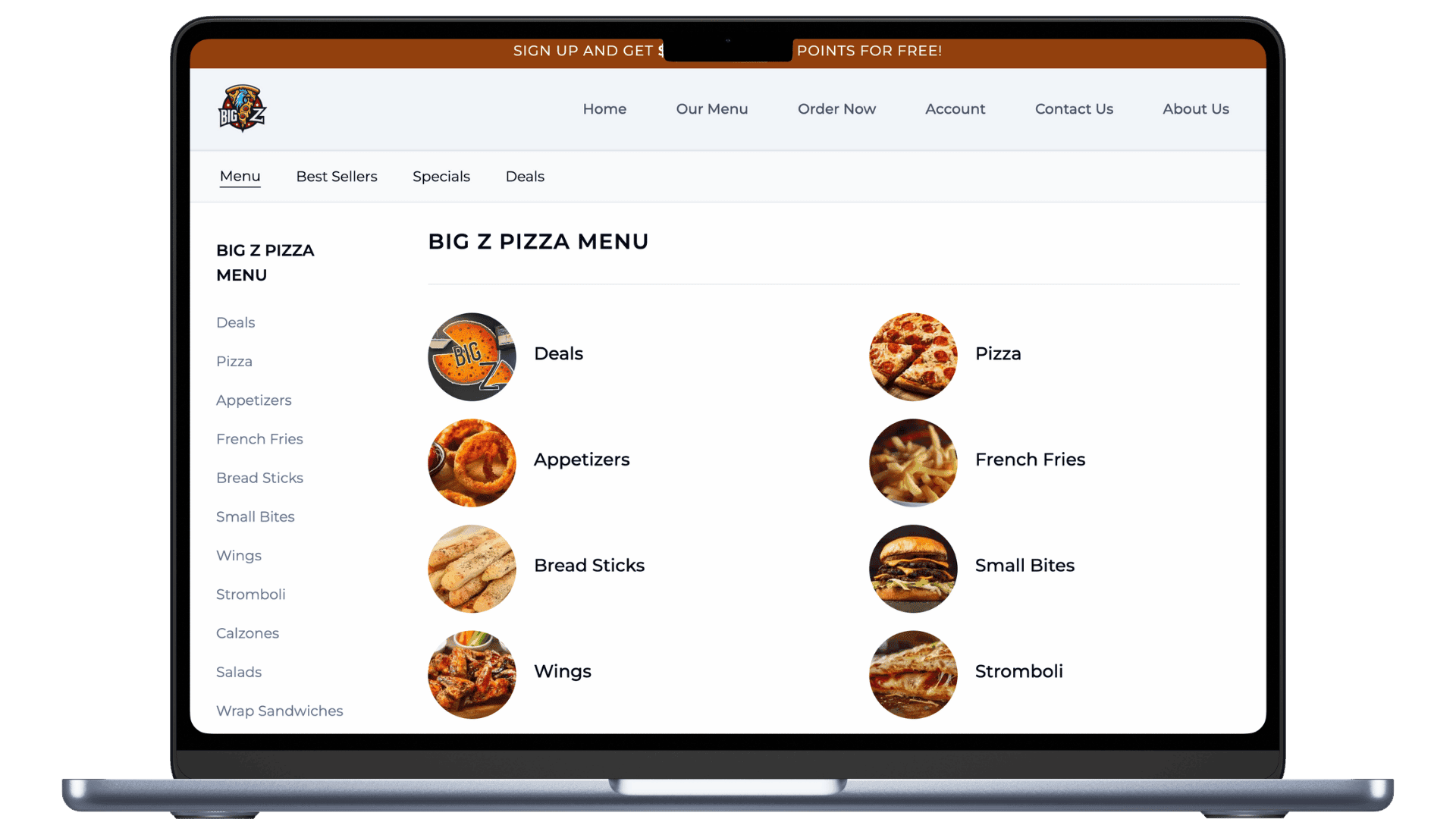
Modern online ordering system that makes it easy for customers to order from your restaurant
Frequently Asked Questions
How often should a restaurant adjust menu prices during inflation?+
Recost recipes at current invoice prices quarterly during inflationary periods, then adjust only the items whose margins have slipped, rather than taking one large annual increase across the board. Small, frequent, targeted changes track costs more accurately and are far less noticeable to guests. A sudden spike in a key ingredient can justify an off-cycle change to a few affected items.
Is dynamic pricing a good idea for an independent restaurant?+
Time-based pricing that discounts slow periods — happy hour, lunch menus, early-week bundles, off-peak online offers — works well because guests experience it as a deal. Algorithmic surge pricing that raises prices at peak times is risky for independents, since regulars experience it as gouging. Flatten your demand curve with discounts, not surcharges.
Should my online ordering prices match my dine-in menu?+
On your own website, yes — direct orders carry no commission, so identical pricing is simple and builds trust. On third-party marketplaces, many restaurants raise prices somewhat to offset commissions, subject to each platform's pricing rules. Whatever you choose, make sure every channel updates together whenever prices change.
How do I raise prices without losing regular customers?+
Raise in small increments a couple of times a year instead of one dramatic jump, keep a few visible value anchors sharply priced, and never shrink portions quietly. Pair increases with visible care — a plate improvement, a loyalty perk, an email offer for subscribers — so frequent guests feel valued rather than squeezed.